
Replace Worn Flooring with Long-Lasting Materials
AMS Construction installs vinyl, hardwood, linoleum, and tile flooring to replace surfaces that have become scratched, warped, or stained beyond repair.
Your floors may show deep scratches from furniture, warping from water exposure, or grout that has cracked and darkened over time. New flooring restores a level surface that cleans easily and holds up to daily foot traffic, whether you need vinyl plank in the kitchen, hardwood in the living areas, linoleum in a laundry room, or tile in a bathroom. Each material offers different benefits depending on moisture levels, wear patterns, and the look you want.
AMS Construction removes old flooring, inspects and repairs the subfloor if needed, and installs the new material according to manufacturer guidelines. You select the color, finish, and plank or tile size, and the installation proceeds room by room to minimize disruption. If your subfloor has soft spots or uneven sections, those are corrected before the new flooring goes down to prevent future buckling or cracking.
Reach out to discuss which flooring material suits your space and how the installation will proceed.
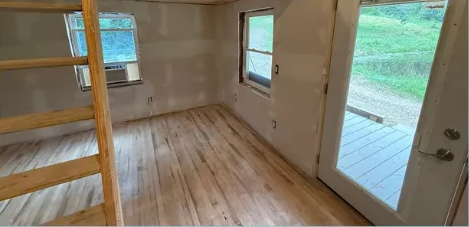
How Each Flooring Type Performs in Different Rooms
Vinyl plank flooring installs quickly and resists moisture, making it suitable for kitchens, bathrooms, and basements where spills are common. Hardwood flooring adds warmth and can be refinished if scratched, but it should not be installed in areas with standing water or high humidity. Linoleum offers a resilient, low-maintenance surface for mudrooms or laundry areas, and tile flooring works well in bathrooms and entryways because it tolerates moisture and cleans easily with a mop.
After installation, you will notice that the floor sits level without gaps or raised edges. Vinyl and linoleum feel softer underfoot than tile, while hardwood provides a solid, natural surface that ages visibly over time. Tile floors stay cool in summer and pair well with radiant heating systems in winter.
Transitions between rooms are finished with trim or threshold pieces to prevent tripping and to cover expansion gaps. If your installation includes underlayment for sound dampening or moisture protection, that layer goes in before the flooring. The finished floor is ready for furniture and foot traffic as soon as the adhesive or grout cures, which typically takes 24 to 48 hours.
Clarifying what to expect during installation
Homeowners often want to know how long the installation takes, whether furniture needs to be removed, and what causes floors to buckle or crack after they are installed.
How long does it take to install flooring in one room?
Most single-room installations take one to two days, depending on the material and room size. Tile and hardwood take longer to install than vinyl or linoleum because of adhesive curing and grouting time.
What causes vinyl plank flooring to lift at the edges?
Vinyl lifts when it is installed without proper expansion gaps along the walls or when the subfloor is not level. Temperature changes cause the material to expand and contract, and without room to move, it buckles or lifts.
Why does hardwood flooring develop gaps between planks?
Hardwood shrinks and expands with changes in humidity. Gaps appear in winter when indoor air is dry, and planks expand in summer when humidity rises. Proper acclimation before installation reduces this movement.
What preparation does the subfloor need before new flooring goes in?
The subfloor must be clean, dry, and level. High spots are sanded down, low spots are filled with leveling compound, and any water damage or rot is repaired. An uneven subfloor causes flooring to crack or feel spongy underfoot.
When should tile grout be sealed after installation?
Seal grout 48 to 72 hours after installation, once it has fully cured. Sealing prevents moisture and stains from penetrating the grout lines, which keeps them from darkening or developing mold.
AMS Construction provides material recommendations based on the room conditions and your maintenance preferences. Contact the team to review flooring options and schedule an installation.